
Escrito por Maximiliano Morales El otro día estaba hablando con el historiador Alex Ovalle Letelier…
National Geographic–backed research reveals camelid habitats were once far broader, as populations hit historic lows
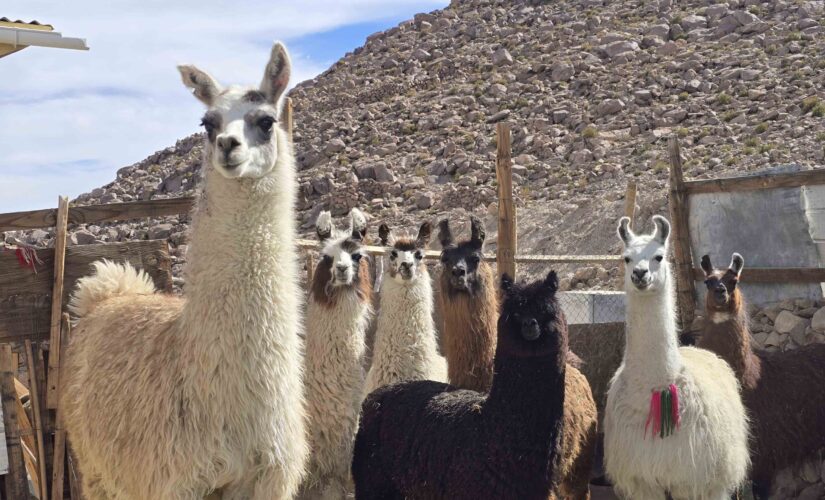
A new study analyzing 2,000-year-old remains has confirmed that South American camelids once inhabited the valleys and coastal areas of Tarapacá, northern Chile—long before the colonial period. The findings emerge amid an unprecedented decline in their population: from 124,000 animals to just 13,000 in less than three decades.
Camelids such as llamas and alpacas are typically associated with the high-altitude ecosystems of the Altiplano. However, archaeological evidence is now reshaping this narrative from the lowlands of Tarapacá.
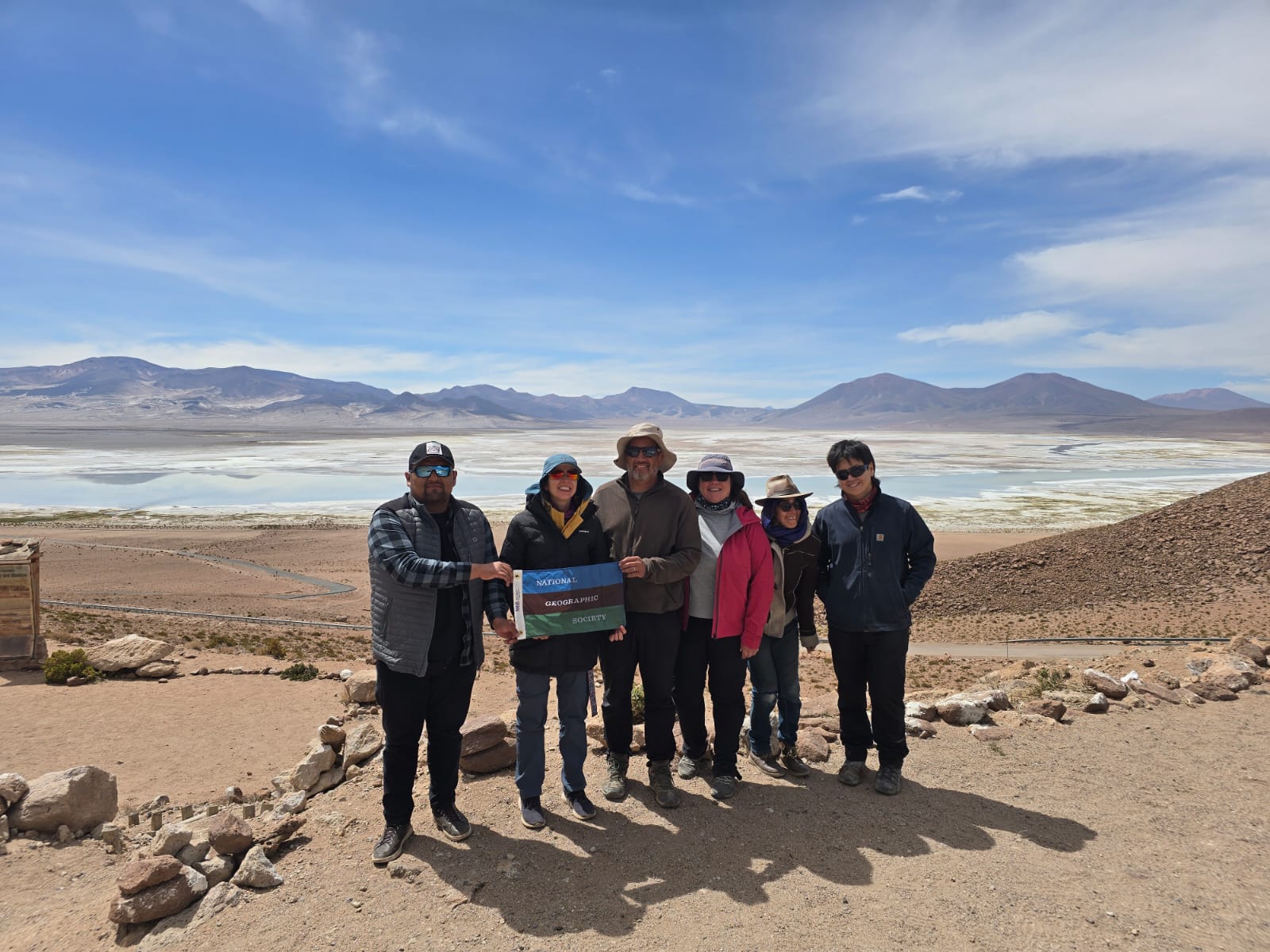
 The initiative, funded by the National Geographic Society, brings together the CEAZA Scientific Center, the Pontifical Catholic University of Chile, the University of Chile, the University of Tarapacá, the Corporación Norte Grande, and the Superación de la Pobreza Foundation (Servicio País). Using stable isotope analysis of carbon, nitrogen, sulfur, and strontium in ancient remains, researchers have confirmed that these animals not only crossed the Atacama Desert, but also lived permanently in valleys and coastal zones.
Traditionally, camelids were thought to inhabit the puna ecotone or high-altitude steppe between 3,500 and 4,500 meters above sea level. However, according to Dr. Francisca Santana, lead researcher from the Pontifical Catholic University of Chile, “we detected dietary and mobility signals indicating that camelids inhabited lowland areas,” locating them below 1,500 meters, including coastal and valley ecostems in northern Chile.
This rediscovery comes amid a critical conservation crisis. According to agricultural census data, the population of llamas and alpacas in Tarapacá fell from 124,538 in 1997 to just 13,194 in 2021—a 90% drop that threatens a millennia-old tradition.
Dr. Antonio Maldonado, a researcher at CEAZA, warns that time is running out: “Camelid herding is declining rapidly. If we want to preserve it as both cultural heritage and an economic activity, urgent action is needed.” Santana adds, “If nothing is done in the next 10 to 20 years, camelid pastoralism could be at serious risk of disappearing.”
Maldonado also highlights the ecological consequences of replacing native camelids with European livestock such as goats and sheep. These introduced species are significantly more damaging to fragile northern Chilean soils.
 “For example, goats are far more destructive to soils and ecosystems than native herbivores,” he explains. “Beyond environmental impacts, this also represents a major cultural loss, as Andean societies have historically been defined by camelid herding—not only in Chile, but across the central Andes.”
Why did camelids disappear from valleys and coastal areas?
The answer lies in colonial history. “Historical records document how camelids were deliberately eliminated by Spanish colonizers,” says Santana. Because they were less suitable as long-distance pack animals compared to horses or mules, and were associated with “pagan” Andean rituals, camelids were pushed into remote highland areas, erasing their presence from more accessible regions.
“It is a deeply tragic situation,” Santana explains. “This process drastically reduced all four South American camelid species and also shaped our collective memory, leading us to believe they only belong in high-altitude environments—when that was not always the case.”
“We are not books—we are a living culture”
Beyond laboratory research, the project actively collaborates with Indigenous communities who continue to sustain high-Andean wetlands (bofedales). Diego Araníbar, a representative of the Aymara community of Laguna del Huasco and co-researcher in the project, brings the perspective of local “field scientists” who face the realities of pastoral life.
“Our herders, most of them elderly, carry a deep history of reciprocity with the land. When one of them passes away, part of Aymara history is lost,” Araníbar explains.
Today, herders face multiple challenges: livestock losses due to predators such as pumas and foxes, disease outbreaks like mange in vicuñas, and reduced forage productivity in high-Andean wetlands due to climate variability.
For Araníbar, the importance of the study lies in its collaborative approach: it is not research conducted on communities, but with them. Participating groups include the Andean Herders Network of Tarapacá, as well as the communities of Cancosa and Layrja Phura.
Photos and Information provided by CEAZA
max@amixtechlab.com

Entradas relacionadas



Comments (0)